Skip Hire in Anerley

Skip hire in Anerley is a practical way to move mixed waste away from homes, shops and workplaces when bags alone are no longer enough. Our service covers a straightforward range of skip sizes and collection arrangements, so customers can choose an option that suits the amount of waste, the available access and the type of project being carried out. The focus is on clear, workable waste removal rather than unnecessary complexity.
For domestic clear-outs, light renovation work and regular site waste, the right skip can reduce repeated journeys to the tip and keep material in one place. We help with the everyday decisions that matter most: how much waste there is, what can go in, and whether a standard skip or a more access-friendly alternative is the better fit. If you are planning work in Anerley, start with the waste stream first and then match the container to it.
The main aim is simple. You want a lawful, organised way to deal with waste without slowing down the job, and you want enough guidance to make a sensible choice without being overwhelmed. Read on for the service options, the kinds of projects they suit and the factors that can influence a quotation. If you already know what you need, you can request a quote when you are ready.
Domestic skip hire for home projects
Domestic skip hire is often the most convenient option for clear-outs, small refurbishments and garden work. It allows household waste to be loaded steadily as a project progresses, which is especially useful when rooms are being emptied in stages or when tradespeople are working alongside the household. This service can suit a single room, several bulky items, or a mix of general household waste and renovation debris, provided the load is acceptable for the chosen container.
Common home projects include kitchen updates, bathroom removals, loft sorting and garage clearances. For those jobs, it helps to think about the balance between space on site, the weight of the waste and how frequently material will be added. Some households prefer a compact option that sits neatly on a drive, while others need a larger size for heavier or bulkier waste. Clear access, soft ground and proximity to neighbours may also influence the best arrangement.
In domestic settings, the service works best when waste is separated with a little care. Plasterboard, soil, timber, packaging and general mixed rubbish do not all behave the same way, and keeping items in mind before the skip arrives can prevent avoidable sorting later. If you are unsure whether a household job is likely to create more volume than expected, consider the heaviest part of the project first, then add a margin for the items that appear as the work unfolds.
Commercial waste and ongoing site support

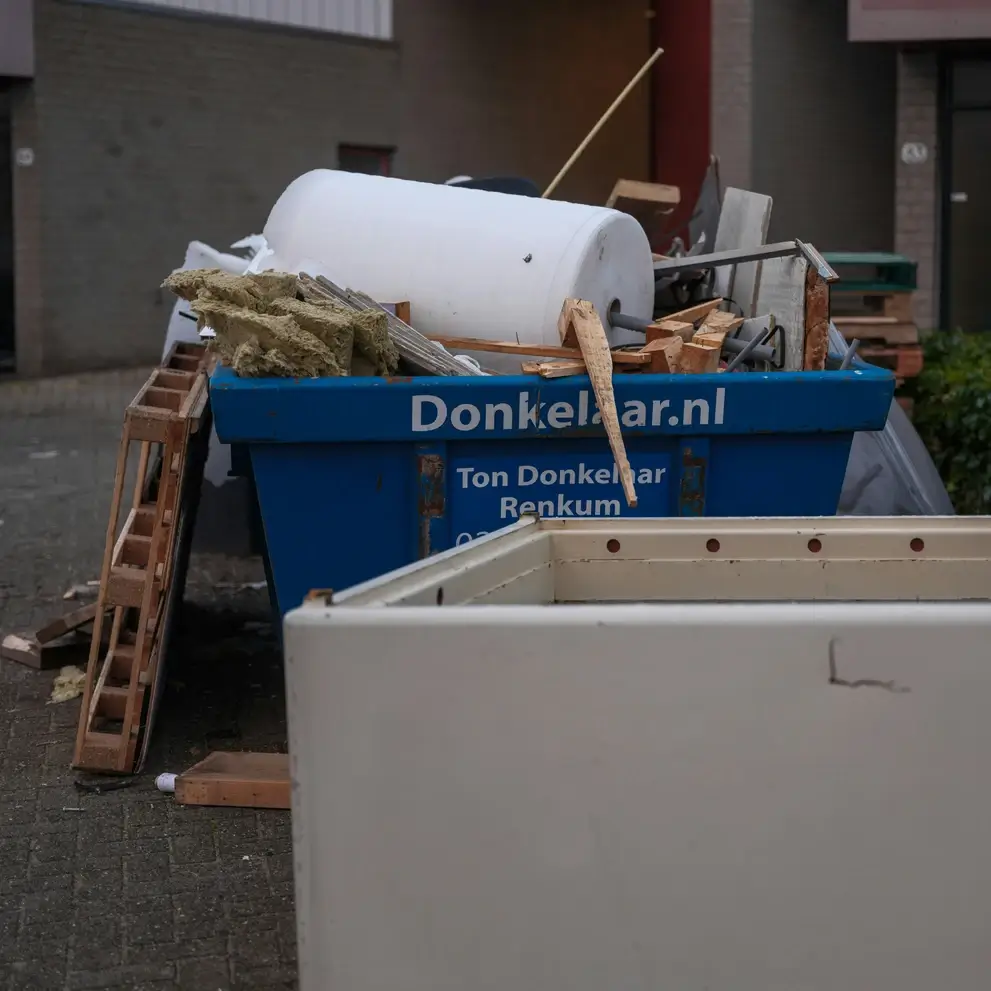
Commercial skip hire is designed for businesses, contractors and property managers who need a dependable way to remove waste during busy work. Typical use includes shop refits, office strip-outs, maintenance tasks and recurring debris from building projects. Where a site produces waste over several days or weeks, having a clear removal plan can help keep walkways open, loading areas tidy and work zones easier to manage.
For commercial customers, the useful questions are usually about volume, timing and practicality. A skip may be used for mixed non-hazardous waste, demolition debris, packaging and other material generated during scheduled works. Choosing the right size matters because overfilling creates handling problems, while underestimating can lead to unnecessary disruption. In some cases, customers may also want to compare a standard skip with wait and load skip hire if keeping a container on site is not convenient.
Businesses often benefit from a service that is easy to fit around deliveries, opening hours and contractor access. That is why it helps to state the nature of the waste, the site layout and any restrictions on placing a container. A clear brief also supports a better quotation. Commercial skip hire can be a sensible option where regular waste removal needs to be planned as part of the wider job rather than treated as an afterthought.
Skip sizes, materials and what can go in
Choosing a skip is not only about capacity. It is also about the kind of waste being thrown away and the likely mix of light, bulky or dense material. A container that suits garden clippings may not be the best choice for bricks, soil or bathroom rubble. Equally, a skip filled mostly with light packaging can still become awkward if large pieces are stacked badly. The useful approach is to match the waste type to the container and the job at hand.
To help customers think it through, the most common considerations are listed below:
- How much waste is expected in total, including items that will appear later in the project.
- Whether the load is mostly light rubbish, heavy construction waste or a mixed stream.
- How the skip will be reached, loaded and collected on the day.
- Whether the site can comfortably accommodate the container without blocking key access points.
- Whether anything in the waste needs separate handling before loading begins.
If the contents are uncertain, it is usually better to ask about permitted waste before booking than to sort it out after the skip is full. Certain items need separate disposal routes, and some materials are not suitable for a mixed skip at all. A careful check at the start makes the rest of the job easier and helps avoid delays. If you need more detail about accepted items, the what can go in a skip page is a sensible place to begin.
House clearances and bulky household waste

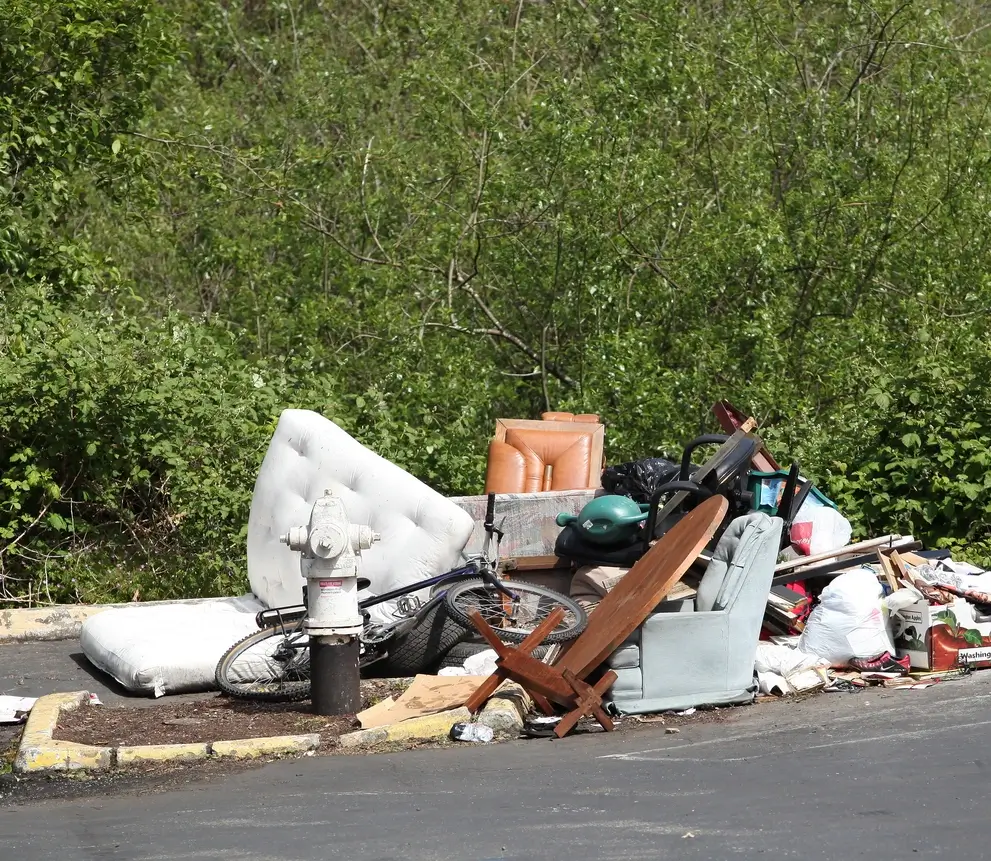
Large household clearances often create a varied mix of waste, from broken furniture and old packaging to bagged rubbish and discarded fixtures. A skip can help manage that load where the contents are suitable and there is enough access for delivery and collection. For many people, the practical value lies in keeping the property usable while the clearance is taking place rather than leaving everything stacked in one corner.
Domestic clearance work can include rooms being emptied before a move, items removed during a refurbishment, or the disposal of larger pieces that are awkward to carry repeatedly. In some cases, a related service such as house clearance may be more appropriate if the task is broader than waste disposal alone. Where the work is mainly about removing unwanted material, a skip gives a straightforward collection point and can reduce the need for multiple separate trips.
Bulky waste needs a little more planning than general bagged rubbish. Items should be broken down where safe to do so, and heavier pieces should be loaded with care so the waste is distributed evenly. If a property contains a blend of reusable items, unwanted belongings and construction debris, it is sensible to separate these into what will stay, what will be reused and what will be thrown away. That keeps the clearance efficient and makes the waste stream easier to describe when asking for a quote.
Builders waste, refurbishments and renovation debris
Builders waste is one of the most common reasons people arrange skip hire. Projects such as kitchen refits, bathroom removals, internal alterations and small extensions can produce a steady stream of rubble, timber offcuts, packaging and broken fittings. A dedicated container keeps that debris in one place and can make the site easier to work around, particularly when tools and materials are already taking up space.
For construction and renovation work, the main concern is often the weight and composition of the waste. Bricks, tiles, concrete and plasterboard can add up quickly, so the available capacity should be chosen with the type of material in mind. A container that seems large enough by eye may still be too small if the load contains a great deal of dense waste. If your project is focused on building debris, the builders skip hire option is worth considering alongside other arrangements.
Some jobs also generate mixed waste that is not purely from building activity. That might include packaging from new fittings, damaged fixtures and old household items removed during the work. Keeping the load reasonably organised can make it easier to judge what size is needed and can help with later disposal. For more specialised debris handling, there is also a route for construction waste clearance, which can be useful where a site produces a broader mix of waste than a simple builder’s skip alone.
Garden, garage and outdoor clear-outs
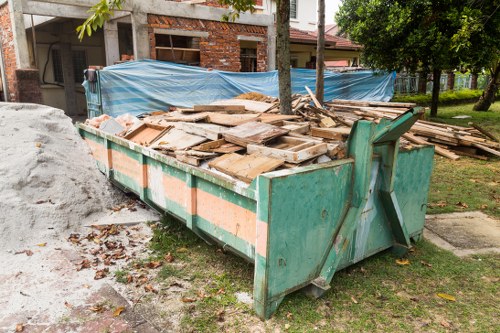
Garden waste and outdoor clearances can be deceptively substantial. Branches, turf, soil, fence panels, shed contents and old outdoor furniture can create a large volume of material even when each item is relatively small. Skip hire gives you a place to gather all of that waste without leaving it spread around the garden or driveway. It is particularly practical when a project runs over several days or when different parts of the property are being cleared in sequence.
Garden work often benefits from planning the waste stream before the first cut is made. Soil and turf are dense, while hedge trimmings, leaves and broken planters are lighter but bulkier. That difference matters when choosing a skip because volume and weight do not always move together. For jobs centred on green waste, the garden waste removal page can help shape the right approach, while mixed outdoor jobs may still be better suited to a standard hire.
Garages and lofts tend to produce another kind of mixed load: old tools, packaging, broken storage boxes, worn household items and pieces that have been kept for years but are no longer needed. These clear-outs are often easier when waste is collected as it is sorted rather than left until the end. A service such as garage and loft clearance can be useful for larger domestic projects, but skip hire remains a simple option when the main need is a container for unwanted material.
Access, permits and practical placement
One of the most important parts of arranging skip hire is deciding where the container will sit and how it will be reached. A driveway, forecourt or other private area is often the simplest option, but not every property has that space. The width of the approach, the slope of the ground and any nearby obstructions can all affect how smoothly delivery and collection take place. Thinking about access early helps avoid a last-minute change of plan.
Where a skip needs to be placed on a public road or in another shared space, permission may be required. This can depend on the local authority and the exact location, so it is sensible to check the position rather than assume the arrangement will be acceptable. For customers who need more detail on this part of the process, the skip permits page provides a relevant starting point. If a permit is needed, it should be considered as part of the overall planning, not left until the day of delivery.
Practical placement also includes the space needed for loading. A skip that is technically deliverable may still be awkward if it blocks gates, bins, trade access or key parking areas. If your property is tight on room, it can be worth asking about alternative approaches such as a smaller container or a service better suited to short-term loading. The best arrangement is the one that fits both the waste and the site.
About Anerley
Anerley is a district in the London Borough of Bromley, lying on the edge of south-east London and closely associated with the hill and ridge country of the Crystal Palace area. Its name is often linked to Anerley Road and to the 19th-century development that followed the relocation of the Crystal Palace to Sydenham in 1854. The area developed during the Victorian period as housing and transport improved, and traces of that growth remain in its street pattern, terrace houses and local routes. The district sits within a broader urban fabric rather than a single clearly bounded historic village, so its identity is shaped by adjoining places such as Crystal Palace, Penge and Elmers End. One of its most recognisable transport features is Anerley railway station, opened in the 19th century and rebuilt in later decades, which reflects the long relationship between the area and London’s expanding rail network. Close by, Crystal Palace Park provides open space, lakes and a strong architectural memory of the great glass exhibition building that once stood there, while Anerley itself includes residential streets, local shops and everyday civic uses that give it a distinctly suburban character. The area’s built environment mixes later Victorian housing with interwar and post-war development, and the nearby slopes and transport lines give it a varied layout. As with many south London districts, its history is visible less in grand monuments than in the layering of rail infrastructure, local roads, housing forms and surrounding green space.
Choosing the right hire for your project
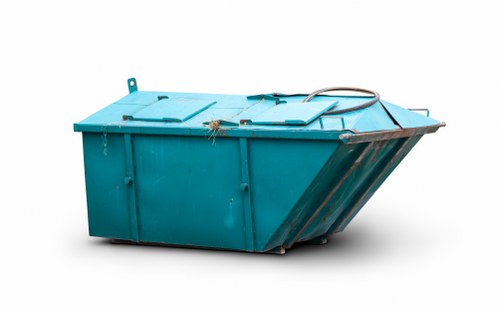
Not every job needs the same arrangement, even when the waste looks similar at first glance. A straightforward household clear-out may only need one container, while a building project might benefit from a more carefully timed collection plan. The main question is whether the waste will be generated all at once or gradually over a period of work. Once that is clear, it becomes easier to choose between a standard skip, a more flexible collection method or a service aimed at a specific type of waste.
It can also help to think about how the project will be managed on the day. If waste will be loaded by a single household, access and convenience are key. If several tradespeople are involved, clarity about responsibility and loading order becomes more important. In either case, a short summary of the job can improve the quotation process and reduce back-and-forth. You do not need a long description, just enough detail for the waste type, site access and approximate volume to be understood.
If you are ready to move ahead, ask for a quotation and keep the details focused on the job itself. Include the kind of waste, the address type, any access issues and whether the material is domestic, commercial or building-related. That is usually enough to start the conversation and match the right service to the right site. When the plan is clear, the rest of the process is much easier. Request a quotation.